

INDIANMEDIGROW👩⚕
This is the small initiative, to create awarness about healthcare and health tips and medical news and medical update
#@indianmedigrow
Covid virus update-omicron symptoms #@indianmedigrow

Skin disease: folliculitis
Introduction :
Skin is one of the largest organ in our body.
In this small article ,We have to see one other the skin condition is called folliculitis
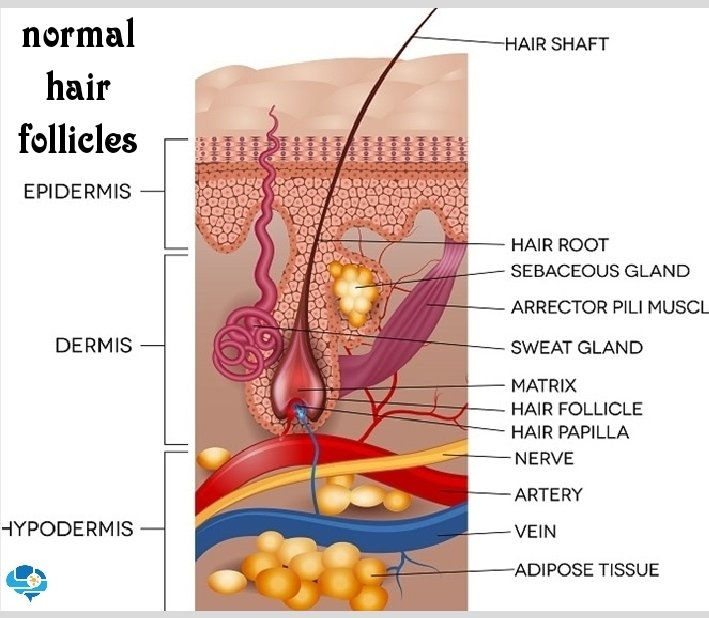
Definition;
The folliculitis is the inflammation of the hair follicles caused by staphylococcus aureus.
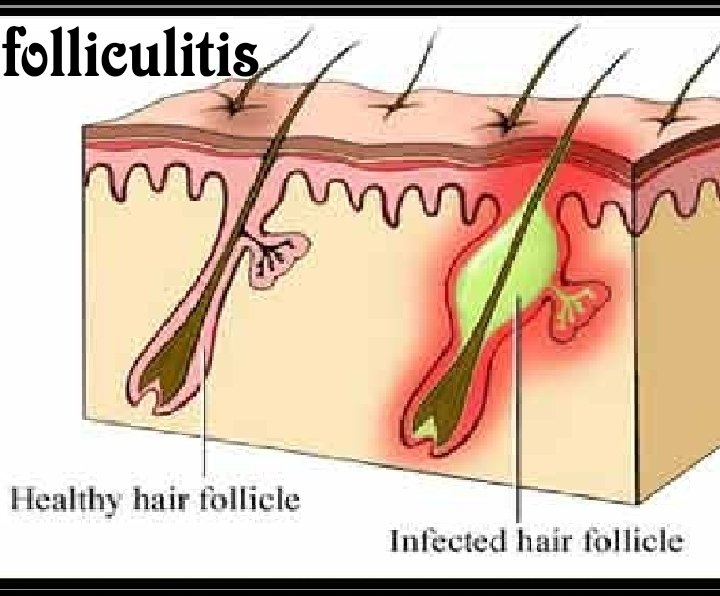
Causes :
Friction
Moistone
Roughing
Oily skin
Poor hygiene
Poor nutrition
Prolonged skin moisture
Tight heavy fabrics
Upper legs & trauma to skin
Clinical manifestation :
Small puds pulecles
Appear hair follicles and surrounding by emphyma
Burning and itching
Tender to touch
Rashes
Blister
Pimples or redness
Severe infections can cause permanent hair loss
Pus and swelling
It is found on extremities scalp, legs, eyelids and etc
Management :
Non pharmacological ;
Antibacterial soap – use of antibacterial soap is help to reduce infections (ex) anti streptococci soap
Avoid allergic exposure
Avoid over sunlight exposure
Use moisturizer to protect further damage
Avoid shaving in affected area
Warm compression may help to reduce infections and promote comfort
Maintain personal hygiene
Take good nutritional foods and avoid allergic foods
Pharmacological management:
Antibiotics ex;cephlaxin
Penicillin
Topical antiseptic ex;clotromazole
Stay safe and live health 👍👍👍🙏
EMPHYSEMA 👨⚕👨⚕
Introduction :
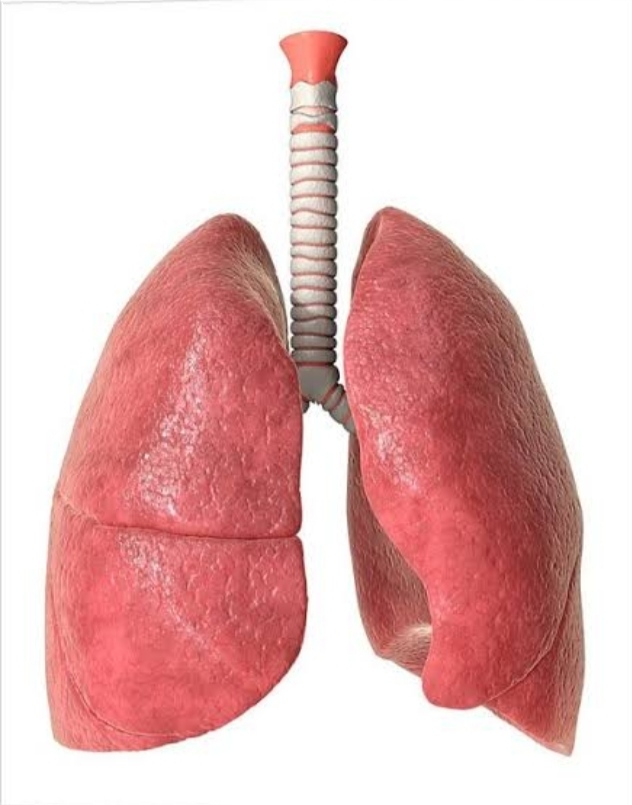
Lung is the one of the vital organ. In this article we have to see emphysema that effect the lung. It is a small article,……
Definition :
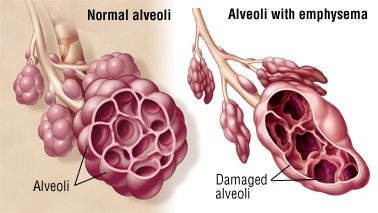
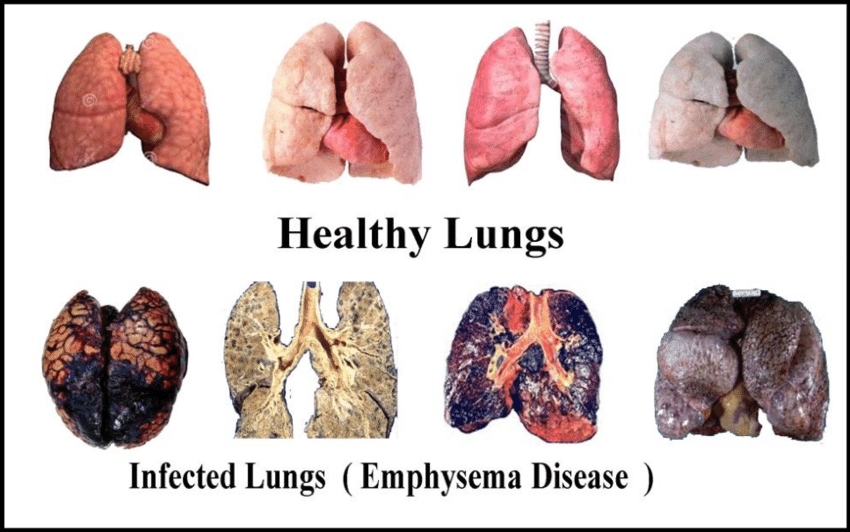
It is a long progressive disease of the lungs that primarily causes shortness of breath, due to over inflation of the alveoli.
Emphysema is included in group in a group is called COPD
CAUSES :
Smoking
Inhaled toxins
Indoor cooking & health
Work related causes
Risk factors :
Low body weight
Childhood respiratory disorder
Passive smoker
Air pollution
Occupational dust
Inhaled chemicals
Pathophysiology :
1 . breakdown of bronchioler walls
2 . Enlarged bronchiols
3 . Few and large damaged sac
4 . Result reduced surface area for exchange of oxygen in blood
5 . It is a permanent non reversible change
6 . Reduce respiratory functions
7 . Sacs are destroyed and narrowed
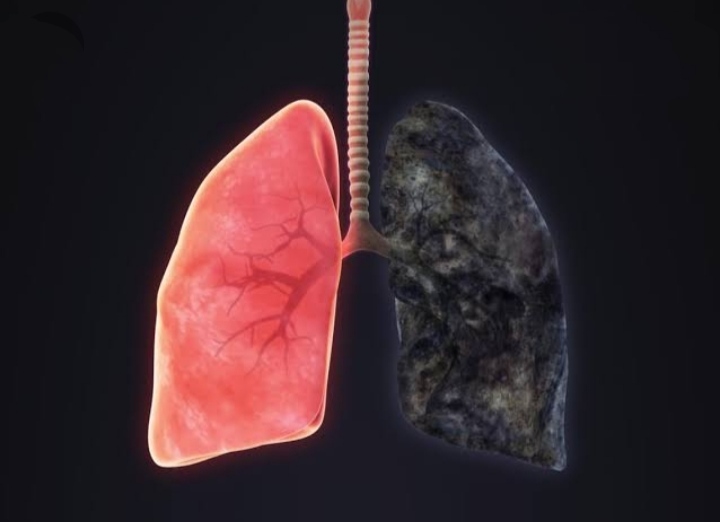
Finally lungs have a irreversible disease condition,…..
Frequent lung infection
Shortness of breath
Wheezing
Cough
Cyanosis
Weight loss
Anxiety and sleep problems
Fatigue
Diagnosis :
History collection
Physical examination
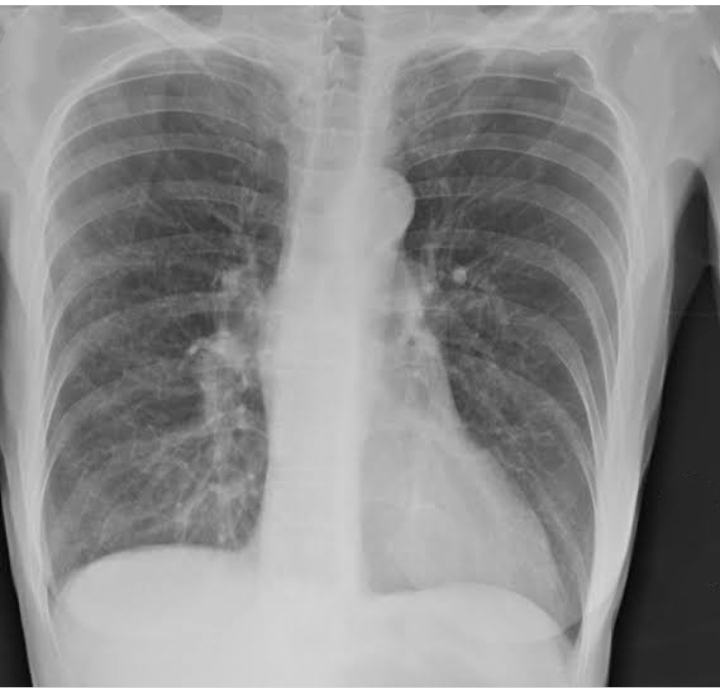
Chest x ray
CT scan
Pulmonary function test
ABG analysis
Disease Management :
Pharmacology :
Bronchodilators
Beta-antagonist
Anticholinergics
Corticosteroid
Therapies :
Oxygen therapy
Pulmonary rehabilitation therapy
Nutritional therapy
Surgical management :
Lung volume reduction surgery – In a scenario
Lung transplantation
Nursing management ;
Asses patients condition like physical examination, pulmonary system examination
Monitor vital signs according to the patients condition
Provide back rest and comfortable position
Administer oxygen therapy
Administer drugs as per doctors prescription
Help to regain through breathing therapy and inhalation
Same like this,…….. https://youtube.com/channel/UChsVTWFEEDlo96xvmZrhh-Q – subscribe and like this,……..
Join this telegram group @indianmedigrow,…………
Live health, stay safe👍,……….

INDIAN HEALTH 👩⚕👨⚕
Wishes you a very happy Deepavali to all!….


Live health and stay safe👍👍👍
Subscribe and comment,……..
Rheumatic Fever
STREPTOCOCCAL THROAT INFECTION
DEFINITION :
Rheumatic fever is an autoimmune disease is called streptococcal throat infection.
That causes inflammatory lesions in the connective tissues, heart, joints, blood vessels and subcutaneous tissues.
Complications ;
Rheumatic heart disease
Rheumatic endocarditis
Valve narrowing or stenosis
Risk factors:
Family history, bacterial infection, streptococcus bacteria, environmental factors
Clinical manifestation :
General fever
Major – Arthritis in several joint
Heart inflammation
Nodules under the skin
Skin rashes
Minor – low fever
Joint pain
Irregular heart rhythm
ESR elevation
CRP elevation
Prolonged PR intervel in ECG
Diagnostic Evaluation :
History collection
Physical examination
ECG
ECHO
Blood test
CRP
ASO type
Medical Management
1.Antibiotic therapy
Penicillin, Erythromycin, procaine penicillin, Sulfadiazine
2.Anti inflammatory
Aspirin and steroids
Nursing Management
Reduce the fever
Maintaining adequate cardiac output
Maintain activity

Same like as,…..view and subscribe
https://youtube.com/channel/UChsVTWFEEDlo96xvmZrhh-Q
Same like as,…… Dengue A to Z see this video

 Indian health